How Central Heating Affects Newly Sanded Wood Floors in London Homes
Freshly restored timber looks its best in winter: clean lines, warm tones, and that crisp, newly finished surface catching low London light. Yet winter is also the season when many newly sanded wood floors come under the greatest stress. In Acton homes, especially Victorian terraces, Edwardian conversions, and later flats with strong central heating, indoor air can become much drier than the floor was exposed to during sanding and finishing. That change matters. If you have recently invested in floor sanding in Acton, understanding what central heating does to timber will help you protect the finish, reduce movement, and keep your boards looking sharp for longer.
At first glance, central heating feels harmless. The room is warmer, the floor is dry, and everything seems stable. In reality, wood is hygroscopic, which means it responds to the moisture conditions around it. When radiators are on daily and windows stay shut, indoor humidity often drops. As that happens, boards can contract, hairline gaps can appear between planks, and any pre-existing weakness in filler, joints, or board edges can become more visible. That does not mean your restoration has failed. It means your timber is behaving like timber and needs the right aftercare.
For homeowners across W3, the smartest approach is not panic but control. A newly restored floor should be treated as a high-value surface, not just a finished building job. Whether your boards were sealed with lacquer, protected with hardwax oil, or carefully repaired before sanding, winter care plays a major role in how the floor settles after restoration. If you are comparing treatment options, booking work, or planning repairs, our floor sanding prices in Acton page is a useful starting point.
Why Wood Floors React So Strongly in Winter
Wood flooring constantly seeks balance with the surrounding environment. During warmer, more humid periods, boards may take in a little moisture from the air and expand slightly. During winter, particularly when central heating runs morning to night, the opposite happens. Indoor air becomes drier, the timber releases moisture, and the boards can shrink. On a well-installed and professionally sanded floor, this movement is usually seasonal and manageable. On an older floor with historic repairs, previous water damage, weak tongues, or irregular subfloor conditions, the movement can be more noticeable.
This is especially relevant in London properties where heating patterns are intense but ventilation is limited. Many households in Acton heat rooms quickly in the morning, let them cool during the day, then heat them again in the evening. That cycle creates repeated fluctuations in temperature and relative humidity. Timber prefers stability. Sudden rises in room temperature, especially beside radiators or under direct hot airflow, can accelerate surface drying and exaggerate localised shrinkage. You may notice this first around board joints, near chimney breasts, under windows, or at the perimeter of rooms where old subfloors already move a little more.
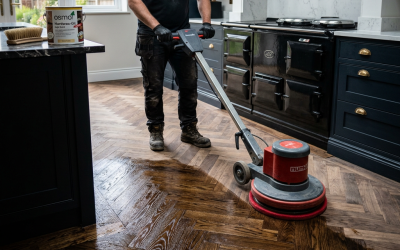
For period properties, the issue is amplified by the nature of the original boards. Victorian pine floorboards, for example, often have wider widths, historic nail fixing, and years of previous expansion and contraction already built into them. That is one reason we often advise homeowners to understand the existing character of their boards before expecting a perfectly flat, modern-looking result. Our article on Victorian pine floorboard restoration in Acton explains why traditional boards require a more careful restoration strategy than many people expect.
What You Might Notice After Sanding During a London Winter
Not every winter reaction is a defect. Some are predictable seasonal signs that the floor is adjusting to a drier internal climate. The key is knowing the difference between normal movement and a problem that needs professional review.
1. Fine Gaps Between Boards
The most common winter change is slight separation between boards. This is particularly common on older softwood floors and on original planks in period homes. If the gaps are narrow, even, and appear more clearly when the heating is on continuously, they are often seasonal rather than structural. When spring humidity rises, many of these gaps reduce again.
2. Filler Becoming More Visible
Where resin-based filler has been used for very fine imperfections, winter shrinkage can make lines or repaired areas stand out more than they did immediately after finishing. This does not automatically mean the sanding was poor. It may simply mean the boards have tightened at a different rate from the filled area.
3. Slight Creaking or Increased Movement Underfoot
As boards dry and contract, small amounts of movement can return, especially on suspended timber floors. That movement may show up as light creaks around fixings or board edges. If the sound is sudden, localised, or joined by bounce, it is worth having the subfloor and fixings checked.
4. Dry-Looking Surface in High-Heat Zones
Areas close to radiators, pipe runs, or strong sunlight can look slightly duller in winter, particularly on oiled floors. That is not usually finish failure; it is a sign that the floor is experiencing more environmental stress in one area than another.
5. Edge Stress Around Parquet or Feature Panels
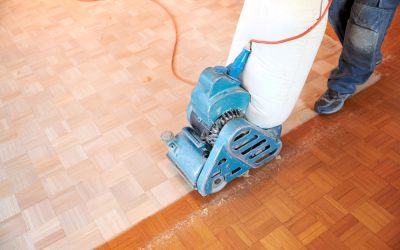
Parquet blocks and decorative layouts respond differently from long floorboards because there are multiple grain directions across the pattern. In dry winter interiors, this can make old joints or previous repairs more visible. If you have block flooring, our guide to parquet floor restoration in Acton gives extra context on how patterned timber behaves after restoration.
Does Central Heating Damage the Finish or the Timber?
Central heating does not directly “ruin” a newly sanded floor. The real issue is environmental imbalance. When heat lowers indoor humidity too aggressively, the timber can move faster than ideal. That movement may place stress on joints, old repairs, and the relationship between the finish coat and the wood beneath it. The finish itself is not usually the cause; rather, it is the protective layer sitting on top of a surface that is naturally responding to the room.
Lacquered floors and oiled floors react differently in appearance. A high-performance lacquer creates a durable protective film and is often the practical choice for busy Acton households, flats, hallways, and family kitchens. Hardwax oil tends to look more natural and can be easier to repair in isolated sections, but it may show dryness more quickly in heavily heated interiors if routine maintenance is neglected. The right choice depends on traffic levels, lifestyle, board type, and how much ongoing care the homeowner is realistically prepared to do.
If you are unsure whether your floor was better suited to lacquer or oil in the first place, our post on refinishing and maintaining engineered vs. solid wood floors helps clarify how timber type and finish choice affect long-term performance.
How Different Floor Types in Acton Homes Respond
Victorian Pine Floorboards
These are among the most reactive floors in winter because they are usually older, softer, and more prone to visible seasonal gaps. Many have already been lifted, patched, painted, over-nailed, or altered over the decades. After sanding, they can look spectacular, but they still need realistic expectations. Strong central heating may make narrow gaps reappear, especially in the first winter after restoration.
Edwardian or Later Oak Boards
Oak is generally more dimensionally stable in appearance than old pine, but it is still affected by dry heated air. On quality boards with good subfloor integrity, winter movement is often subtler. However, if the room is overheated or the floor sits above a dry void, shrinkage can still become noticeable.
Engineered Wood Floors
Engineered flooring is designed for greater stability, but that does not make it immune. Poor-quality boards, thin wear layers, installation issues, or excessive heating can still create gaps, edge stress, or finish wear. Heating must remain controlled, especially if the floor has been refinished professionally rather than recently installed.
Parquet and Herringbone
These floors are beautiful but technically demanding. Because the layout involves multiple short elements and direction changes, slight movement can highlight individual joints more readily than on straight plank floors. That does not mean parquet is failing; it means the pattern reveals movement differently.
Best Practice Aftercare During the Heating Season
The good news is that winter problems are often preventable. A few sensible steps can make a major difference to the way your newly sanded floor performs between November and March.
Keep the Indoor Climate Steady
A consistent background temperature is better than extreme peaks and drops. Avoid blasting radiators for short periods to make the room very hot. Gradual, steady heat is much kinder to timber than rapid temperature swings.
Do Not Let the Air Become Excessively Dry
If your home feels dry enough to affect skin, plants, or furnishings, it is likely affecting the floor too. In many London homes, a humidifier in the most heated rooms can help reduce aggressive seasonal shrinkage. This is particularly useful in bedrooms and reception rooms with original timber boards.
Avoid Wet Cleaning
Homeowners often overreact to winter dust by mopping too often. Newly finished wood should never be saturated. Use a microfibre mop, keep cleaning products manufacturer-appropriate, and avoid steam mops entirely. Excess moisture followed by strong heating is the worst combination for timber movement.
Use Felt Pads and Protect Traffic Lines
In winter, more grit, road salt residue, and moisture get walked into the house. Entrance matting and felt protection reduce abrasion just when the floor is under greater environmental strain.
Respect the Cure Window
Even after the floor looks dry and ready for light use, full curing takes longer than many homeowners assume. Rugs, heavy furniture, and aggressive cleaning should not be rushed back onto the surface.
Common Mistakes London Homeowners Make in Winter
- Turning the heating up too high too quickly: sudden drying can make seasonal gaps appear more aggressively.
- Using steam mops: heat plus moisture is hard on both timber and finish.
- Blocking airflow completely: rooms still need sensible ventilation, especially after finishing work.
- Expecting zero movement from old boards: traditional timber floors are not porcelain tiles; some seasonal change is normal.
- Ignoring early warning signs: persistent cupping, lifting, strong bounce, or widening gaps deserve professional inspection.
When Seasonal Movement Is Normal — and When to Call a Professional
A small winter gap here and there is not usually a crisis. On many restored wood floors, especially in older Acton homes, some movement is part of the annual cycle. The problem is scale, pattern, and persistence. You should arrange a professional inspection if gaps become unusually wide, boards feel loose, filler is breaking out extensively, parquet blocks start shifting, or the floor develops visible cupping, lifting, or movement that was not present soon after completion.
It is also worth getting advice if one room behaves very differently from the rest of the home. That may point to a local heating issue, hidden damp history, subfloor ventilation imbalance, or an installation weakness rather than a general winter reaction. Good floor restoration is not just about sanding; it is about diagnosis. Moisture-content assessment, subfloor stability, board condition, and the right finish system all matter.
If you are noticing unusual winter changes, the safest route is to book a technical inspection rather than experimenting with fillers, oils, or off-the-shelf products. You can contact our Acton floor sanding team for a professional assessment, especially if the floor has been restored recently and you want to protect the investment properly.
Which Finish Tends to Perform Best in Heated London Homes?
There is no universal answer, because the best finish is tied to the timber species, room use, heating pattern, and maintenance expectations. However, in practical terms:
- Water-based commercial-grade lacquer is often the strongest choice for busy family homes, hallways, and rooms where easy cleaning and abrasion resistance matter most.
- Hardwax oil systems are excellent where a more natural appearance is preferred and the homeowner values easier localised maintenance.
- Stained floors can look superb, but winter dryness may make gaps and board lines more visually obvious, so colour choice and board condition need careful judgement.
In every case, preparation matters as much as product choice. Proper sanding sequence, edge work, dust extraction, surface preparation, and suitable curing conditions are what separate a durable result from a short-lived cosmetic improvement. That is why cheap sanding quotes often cost more in the long run when winter exposes weak workmanship.
Final Word: Your Floor Needs Stability, Not Just Heat
London winters do not automatically damage a newly sanded wood floor, but central heating changes the indoor environment in ways that timber cannot ignore. The drier the air, the more likely your boards are to contract, reveal fine gaps, and highlight weak spots in old floors. In Acton properties, where period timber is common and room conditions vary widely, smart aftercare is just as important as the sanding itself.
The goal is simple: keep the room climate steady, clean the floor correctly, avoid over-drying the air, and act early if movement looks abnormal. Done properly, your newly restored floor should continue to mature beautifully through winter rather than deteriorate under it.
If you want expert guidance on seasonal floor movement, finish selection, repairs, or ongoing wood floor restoration in Acton, speak to a local specialist before minor winter changes become larger repair issues. A professional assessment now can save you time, money, and avoidable disruption later.