In the world of flooring, the debate between engineered and solid wood is perennial. While both offer the timeless beauty of natural timber, they require very different approaches when it comes to professional refinishing. Whether you have a modern apartment or a traditional Acton home, understanding what’s beneath your feet is the first step to a successful restoration.

Can You Sand Engineered Wood?
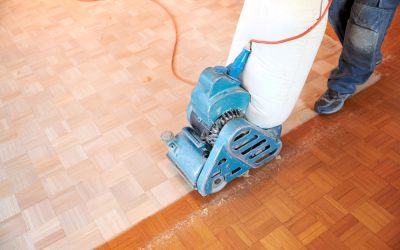
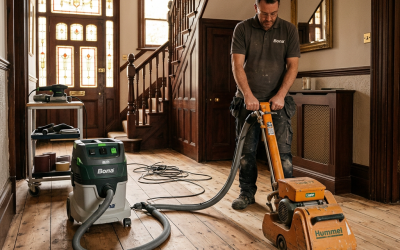
A common misconception is that engineered wood cannot be sanded. In reality, most high-quality engineered floors feature a solid timber ‘wear layer’ (usually 3mm to 6mm thick). At Floor Sanding Acton, we use precision sanding techniques to carefully remove the old finish without compromising the structure of the board. Solid wood floors, by contrast, can be sanded many more times over their century-long lifespan, but they are more prone to seasonal movement if not handled by experts.
Choosing the Right Finish: Lacquer vs. Oil
Once sanded, your floor needs protection. The choice between lacquer and oil is often down to lifestyle:
- High-Performance Lacquer: Creates a tough, waterproof film over the wood. It is ideal for high-traffic kitchens or homes with pets and young children. Modern water-based lacquers are low-odour and incredibly durable.
- Hardwax Oil: Penetrates the timber to enhance the natural grain. While it requires slightly more maintenance, it allows for ‘spot repairs’—meaning you can fix a small scratch without resanding the entire room.

Maintenance is Protection
The secret to a long-lasting floor isn’t just the sanding; it’s the aftercare. For our commercial clients and domestic customers alike, we recommend a simple but strict cleaning regime. Avoid steam mops at all costs—the heat and moisture can damage engineered boards and cause solid timber to cup.

Summary
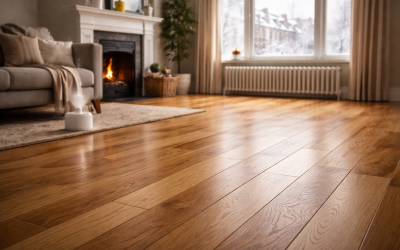
Whether you choose solid or engineered wood, professional restoration ensures your floor remains a stunning asset. By selecting the right finish and following a sensible maintenance plan, you can enjoy the beauty of natural timber for decades. Contact Floor Sanding Acton for a technical assessment of your flooring today.