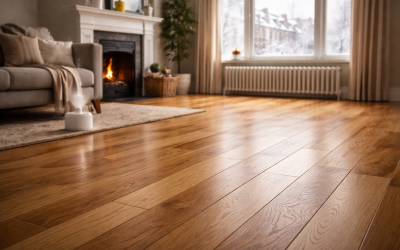
Key Takeaways
- UK humidity fluctuates significantly, impacting timber stability and finish adhesion.
- ‘Water popping’ is essential for achieving deep, even staining on oak floorboards.
- Hardwax oils like Osmo provide a natural look and are easier to spot-repair than lacquers.
- Avoid domestic cleaning products; only use professional pH-neutral timber cleaners.
- Regular application of maintenance oil prevents the need for a full re-sand.
The Problem: The Rapid Degradation of New Wood Floors
You have just invested thousands in a luxury herringbone parquet or reclaimed kitchen floorboards. However, within months, the finish looks dull, and scratches are appearing near high-traffic areas like the dining table or entryway. The problem is often two-fold: an incorrect initial finish for the environment and a lack of proper aftercare advice. Many homeowners in the UK use generic supermarket sprays that contain silicones or wax-stripping chemicals. These products might offer a temporary shine, but they slowly eat away at the professional seal, leaving the timber vulnerable to liquid penetration and staining.
Furthermore, wood is a hygroscopic material, meaning it absorbs and releases moisture from the air. In many British homes, central heating in the winter creates a very dry environment, while our humid summers do the opposite. Without a finish that can ‘flex’ with these changes, the wood can develop micro-cracks. If you aren’t following a specialist maintenance regime, you aren’t just losing the aesthetic appeal; you are allowing the structural integrity of your timber to degrade day by day.
The Agitation: Tannin Pull and Moisture Damage
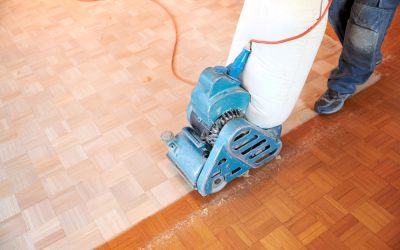
In the UK, the ‘agitation’ often comes from our unique climate. Tannin pull is a common issue in oak floors where the natural acids in the wood react with water-based finishes, creating unsightly dark spots or ‘blotching’. Without a specialist’s touch from wood floor restoration specialists, your beautiful floor can start to cup or crown, leading to permanent structural damage and a total loss of your investment. Once moisture gets under the seal, the only solution is usually a full, aggressive re-sand, which removes years of the floor’s wearable life.
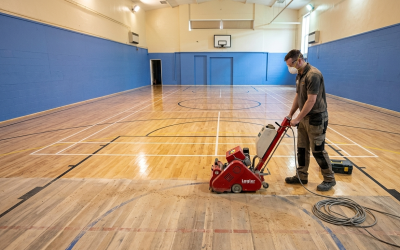
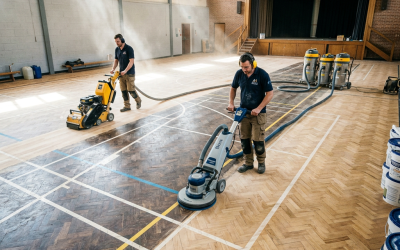
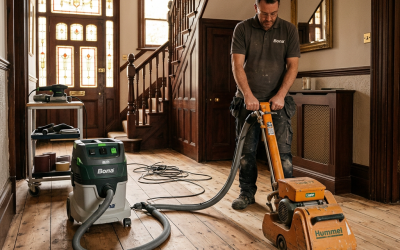
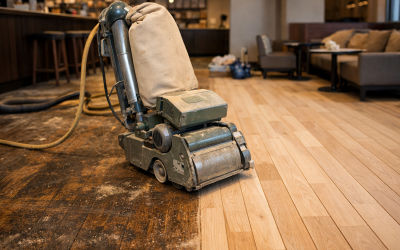
There is also the ‘mess’ factor. If you allow your floor to deteriorate to the point of needing a full sand every 5 years, you are subjecting your home to repeated disruption. Professional maintenance is designed to avoid this cycle, keeping the floor in a ‘perpetual state of excellence’ through minor, non-invasive interventions. Failing to act now means you will eventually face a much larger bill from floor sanding companies in the future.
The Solution: Professional Grade Maintenance and Finishes
Understanding the difference between hardwax oil and lacquer is the first step in a successful maintenance regime. While lacquers like Bona Traffic HD offer a hard ‘shell’, hardwax oils like Osmo Polyx penetrate the grain, allowing for ‘spot repairs’. This means if you scratch a small area, you can sand and re-oil just that spot without needing to sand the entire room again. This is the preferred choice for many high-end UK residences where minimal disruption is a priority.
Pro-Tip: The Secret of ‘Water Popping’
Before applying an oil-based finish to oak, we often perform ‘water popping’. By lightly misting the floor with distilled water, we open the wood cells (the grain). This prevents ‘grain raising’ issues later and allows the pigment in Osmo or Blanchon oils to penetrate much deeper, resulting in a much richer, more uniform colour. It effectively ‘pops’ the grain for maximum visual impact. You can see the variety of effects achievable with these oils on the Osmo UK website.
Cleaning Tips for Long-Term Durability
Never wet-mop your timber floors with a traditional bucket and mop. Excess water is the quickest way to ruin a wood floor. Instead, use a microfibre mop with a pH-neutral spray cleaner specifically designed for your finish, such as Osmo Wash and Care or Bona Wood Floor Cleaner. These products clean the surface without stripping the oils or dulling the lacquer. For high-end kitchens, we recommend a refresh coat of maintenance oil every 18-24 months to keep the protection at its peak.
By following these specialist steps, you ensure your floor remains a centerpiece of your home for generations. Our tradesmen are always available for a free consultation on the best products for your specific timber type. For more information on our services, you can request a callback from one of our technical advisors today.
Your content goes here. Edit or remove this text inline or in the module Content settings. You can also style every aspect of this content in the module Design settings and even apply custom CSS to this text in the module Advanced settings.