Key Takeaways
- Victorian pine floorboards require a heritage restoration approach.
- The grit sequence is critical; start with 40-grit Zirconia.
- Bona Traffic HD offers the best durability for high-traffic hallways.
- Gap filling with resin and sawdust ensures a seamless finish.
- UK humidity impacts drying and curing times significantly.
The Problem: The Hidden Scars of Victorian Pine Floorboards
Many homeowners across London discover original Victorian pine floorboards hidden beneath decades of dusty carpet. While these boards offer an unparalleled sense of history, they are often plagued by ‘the gap’—not just the physical spaces between the timber, but the gap in quality between a DIY attempt and a professional floor sanding finish. These antique boards, often over a century old, are prone to splitting and deep-seated grime that standard rental machines simply cannot remove without causing permanent structural damage.
The timber in Victorian homes is frequently ‘Pitch Pine’ or Scots Pine, which, while beautiful, is softer than modern oak. This means it is highly susceptible to denting and requires a specialist touch to ensure the sanding process doesn’t strip away too much of the precious heritage material. When you take on a project like this, you aren’t just cleaning a floor; you are performing a technical heritage restoration that requires an understanding of the wood’s cellular structure and historical context.
The Agitation: Why a ‘Quick Fix’ Destroys Heritage Value
Attempting to restore Victorian floorboards without the right equipment leads to several critical issues. First, there is the risk of ‘tannin pull’ or unexpected staining if the wrong primer is used. Second, the dust generated by cheap, non-filtered machines can infiltrate every corner of your home, creating a lingering health hazard and a cleaning nightmare. Without proper technical knowledge, many homeowners or inexperienced tradesmen start with a grit that is too aggressive, which can leave deep marks in the soft pine sapwood.
Furthermore, the fluctuating moisture content in British homes means that pine boards are constantly ‘breathing’. If a finish is applied that doesn’t account for this movement, such as a low-quality varnish, it will crack and peel within a single season. This not only ruins the aesthetic but exposes the timber to liquid damage and rot, potentially leading to expensive structural repairs. When you factor in the value of the property, a DIY ‘quick fix’ often ends up costing significantly more than professional intervention, especially when you consider the floor sanding prices in the long term.
The Solution: A Technical Specialist Approach to Floorboard Restoration
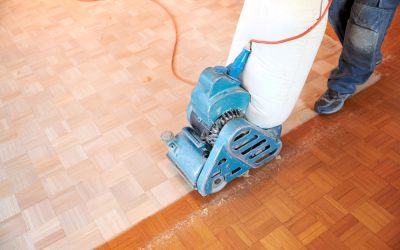
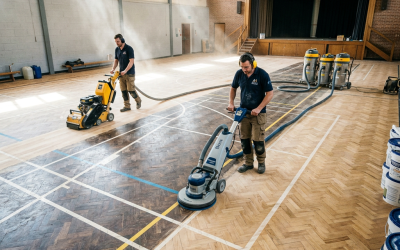
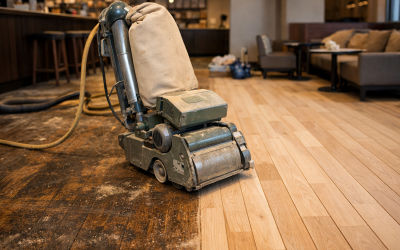
Our approach to Victorian floor restoration is rooted in technical mastery. We begin every project with a moisture reading to ensure the timber is within the safe 8-12% range. If the boards are too damp, any finish will fail. To achieve a flawless, flat finish with zero dust, we employ the Lagler Hummel belt sander, paired with the Bona DCS (Dust Containment System).
Pro-Tip: Grit Sequences for Antique Pine
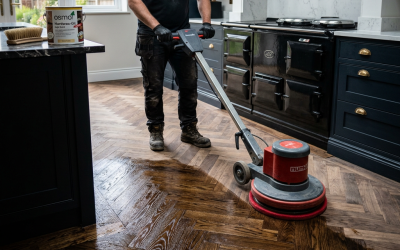
For uneven Victorian pine, we never start lower than 40-grit Zirconia. Zirconia abrasives stay sharper for longer and generate less heat, which prevents the pine resin from clogging the paper. We follow a strict sequence: 40, 60, and 80-grit on the belt sander. The final ‘furniture grade’ finish is achieved using the Bona Flexisand with 100-grit multi-hole discs. For technical datasheets on abrasives, we refer to the Bona Professional UK portal.
Gap Filling: The Technical Choice
One of the most requested services in Victorian homes is gap filling. We offer two primary methods. For smaller gaps, we use a high-performance resin mixed with the 80-grit dust collected from the floor itself. This ensures an identical colour match. For larger structural gaps, we use reclaimed pine ‘slivers’ or wedges, glued into place and then sanded flush. This prevents the ‘draughty floorboard’ effect common in UK terraces and improves the thermal performance of the room.
The Curing Process in UK Humidity
Humidity is the silent enemy of the floor finisher. In the UK, indoor humidity can vary from 30% in winter to 70% in summer. When applying a high-end lacquer like Bona Traffic HD, we must ensure the environment is controlled. Bona Traffic HD is a two-component waterborne lacquer that provides exceptional durability while remaining clear, preserving the natural tones of the pine without the ‘orange’ effect of oil-based varnishes.
Pro-Tip: Application and Curing Times
We apply a primer followed by two full coats of Traffic HD. In average UK conditions, each coat takes 2-3 hours to be touch-dry, but ‘full cure’ takes 3-5 days. We advise clients to wait at least 24 hours before walking on the floor in socks and 72 hours before replacing heavy furniture. This patience ensures the surface tension develops correctly, providing a finish that can last 10-15 years with proper care.
Every restoration we perform is handled by VAT-registered tradesmen who understand the heritage value of your home. From the initial dust-free sand to the final buff, we treat your floorboards as the historic assets they are. For more information or to see our recent transformations, please contact our specialist team today for a bespoke assessment.